+84 909 290 203
tours@asiaglobaltravel.com


The science behind randomness in slot machine operations
Slot machines have been a staple of gambling entertainment for decades, captivating players with their flashing lights and enticing sounds. At the heart of every slot machine lies a sophisticated system designed to generate randomness, ensuring each spin is unpredictable. This system involves complex algorithms and random number generators (RNGs) that determine the outcome of each play. Understanding how these mechanisms work can demystify the allure of slot machines, allowing players to appreciate the science behind their favorite pastime.
Modern slot machines utilize RNG technology to create a seemingly infinite sequence of numbers that correspond to possible outcomes. Every time a player pulls the lever or presses a button, the machine randomly selects a number from its database. The result of this selection determines whether the player wins or loses, ensuring that no two spins are alike. This technology adds a layer of excitement, as players must rely on luck rather than skill. For those interested in trying their fortunes, casinos offering instant withdrawal casino options make it easier to play without waiting for lengthy payouts.
Algorithms are the backbone of every slot machine, governing the way outcomes are determined. They not only dictate the randomness of the results but also control the return-to-player (RTP) percentages. The RTP refers to the amount of money that is returned to players over time, typically expressed as a percentage. For instance, a machine with a 95% RTP is designed to return $95 for every $100 wagered, on average, over a long period. This balance between randomness and predictable return rates keeps players engaged while providing operators with a viable business model.
The intricacy of these algorithms allows for various combinations of symbols and payouts, enhancing player experience. Moreover, advancements in technology have enabled developers to incorporate unique themes and additional features, like bonus rounds and free spins, all while maintaining the core principle of randomness. Gamblers may often wonder how these features affect their odds, but the underlying reality remains that the outcome is predominantly governed by chance.
The human brain often struggles to comprehend true randomness, which can lead to fascinating behaviors among gamblers. This psychological phenomenon, known as the ‘gamblers’ fallacy,’ leads players to believe that past outcomes influence future results. For instance, if a player encounters multiple losses in succession, they may feel that a win is due, despite each spin being an independent event. This misunderstanding of randomness can lead to greater engagement with the game, as players feel they can influence their luck.
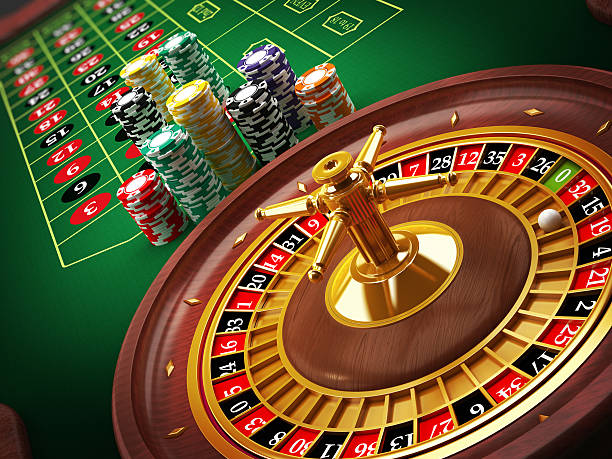
The operation of slot machines is heavily scrutinized to ensure fairness and transparency. Regulatory bodies monitor RNG technology, ensuring that the outcomes of games are genuinely random and not manipulated. Before a slot machine design is approved for public use, it must undergo rigorous testing to validate its fairness. This level of oversight not only protects players but also upholds the integrity of the gambling industry as a whole.
If you’re intrigued by the captivating world of slot machines, understanding their underlying mechanics can significantly enrich your gaming experience. Knowledge about RNGs, algorithms, and psychological factors will allow you to appreciate the blend of science and fun embedded in each game. With responsible play and a clear understanding of the odds, players can approach gambling with a sense of empowerment.

El sector de los juegos en línea ...
Inleiding tot Cusco Casino en zijn aantrekkingskracht Het ...
Introduction à Dragonia Casino Bienvenue dans le monde ...
Erleben Sie die Freiheit, mit Leichtigkeit zu ...

International Tour Operator License: 79-467/2015/TCDL-GPLHQT - Issued by Vietnam National Administration of Tourism - Copyright © 2026 ASIA GLOBAL TRAVEL